Garage doors are built to be durable, but like any moving system, they can develop faults over time. Some issues are minor and easy to resolve, while others can affect safety and should be handled by a professional. Knowing the difference can help you avoid bigger problems and costly repairs.
This guide covers the most common garage door problems, what causes them and how they can be fixed.
For a full overview of garage door types and systems, take a look at The Ultimate Guide to Garage Doors.
Garage Door Not Opening or Closing Properly
One of the most common issues homeowners face is a garage door that will not fully open or close. This can be caused by several factors, including sensor problems, track obstructions or motor faults.
In many cases, the issue is linked to safety sensors being blocked or misaligned. Dirt, debris or even bright sunlight can interfere with the sensor signal. Cleaning and realigning the sensors often resolves the problem. If the door still fails to operate correctly, the motor or control board may need professional inspection.
Noisy Garage Door Operation
Grinding, squeaking or rattling noises are usually a sign that components are wearing or need lubrication. Hinges, rollers and springs can become noisy when they dry out or loosen over time.
Applying a suitable garage door lubricant to moving parts can reduce noise and improve performance. However, loud banging noises or sudden changes in sound may indicate a failing spring or cable, which should not be adjusted without specialist tools and experience.
Garage Door Moving Unevenly or Sticking
If your garage door appears to move unevenly or sticks partway through its cycle, the tracks may be misaligned or obstructed. Dirt buildup, dents or loose fixings can all prevent smooth movement.
Checking that the tracks are clean and securely fixed can help. If the door continues to lift unevenly, it may be an issue with cable tension or spring balance, which requires professional adjustment to prevent further damage or injury.
Broken Springs or Cables
Springs and cables are under high tension and play a critical role in lifting the weight of the door. When a spring breaks, the door may feel extremely heavy or fail to open altogether.
These components should never be repaired or replaced by homeowners due to the risk involved. A trained technician can safely replace broken springs or cables and rebalance the system to restore safe operation.
Remote Control or Automation Issues
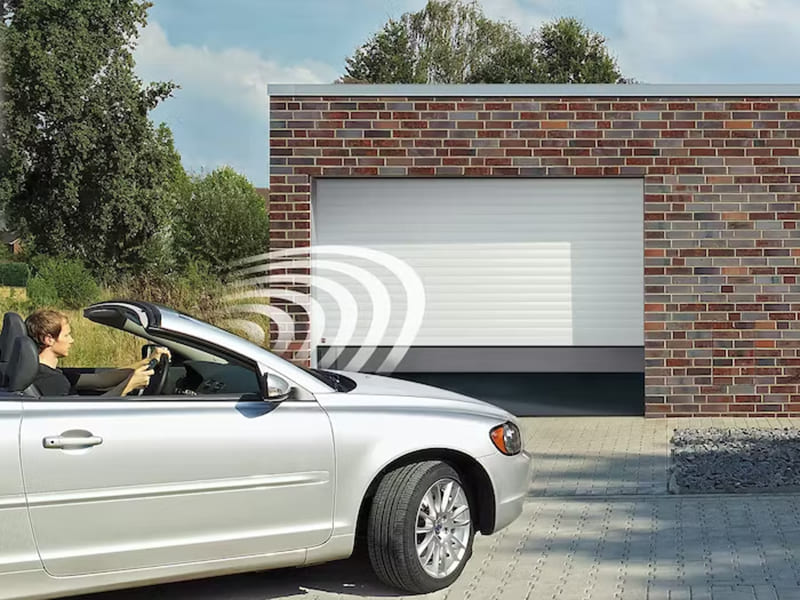
If your electric garage door does not respond to the remote control, the issue may be as simple as flat batteries or signal interference. Replacing the batteries and checking for nearby electronic interference is a good first step.
If the problem persists, the remote may need reprogramming or the receiver unit may require inspection. Faulty wiring or control boards can also cause intermittent operation and should be checked by a professional.
For automation-specific issues, you may find our guide How to Automate Your Existing Garage Door helpful.
When to Repair and When to Replace
Some garage door problems can be fixed quickly and affordably, especially when caught early. Regular servicing helps identify worn components before they fail completely.
However, if your door is older, poorly insulated or frequently breaking down, replacing it with a modern system may be more cost effective in the long run. New doors offer improved safety, security and energy efficiency compared with older designs.
Final Thoughts
Many common garage door problems can be prevented with regular maintenance and early attention to small issues. While some minor faults can be resolved easily, anything involving springs, cables or motor systems should always be handled by a professional.
At Fenland Garage Doors, we provide expert garage door repairs and servicing across Norfolk, Suffolk and Cambridgeshire, including Norwich, Ipswich and Cambridge. Whether your door needs a simple adjustment or urgent repair, our team is here to help.